Hazara Genocide Dossier Presented to the European Parliament
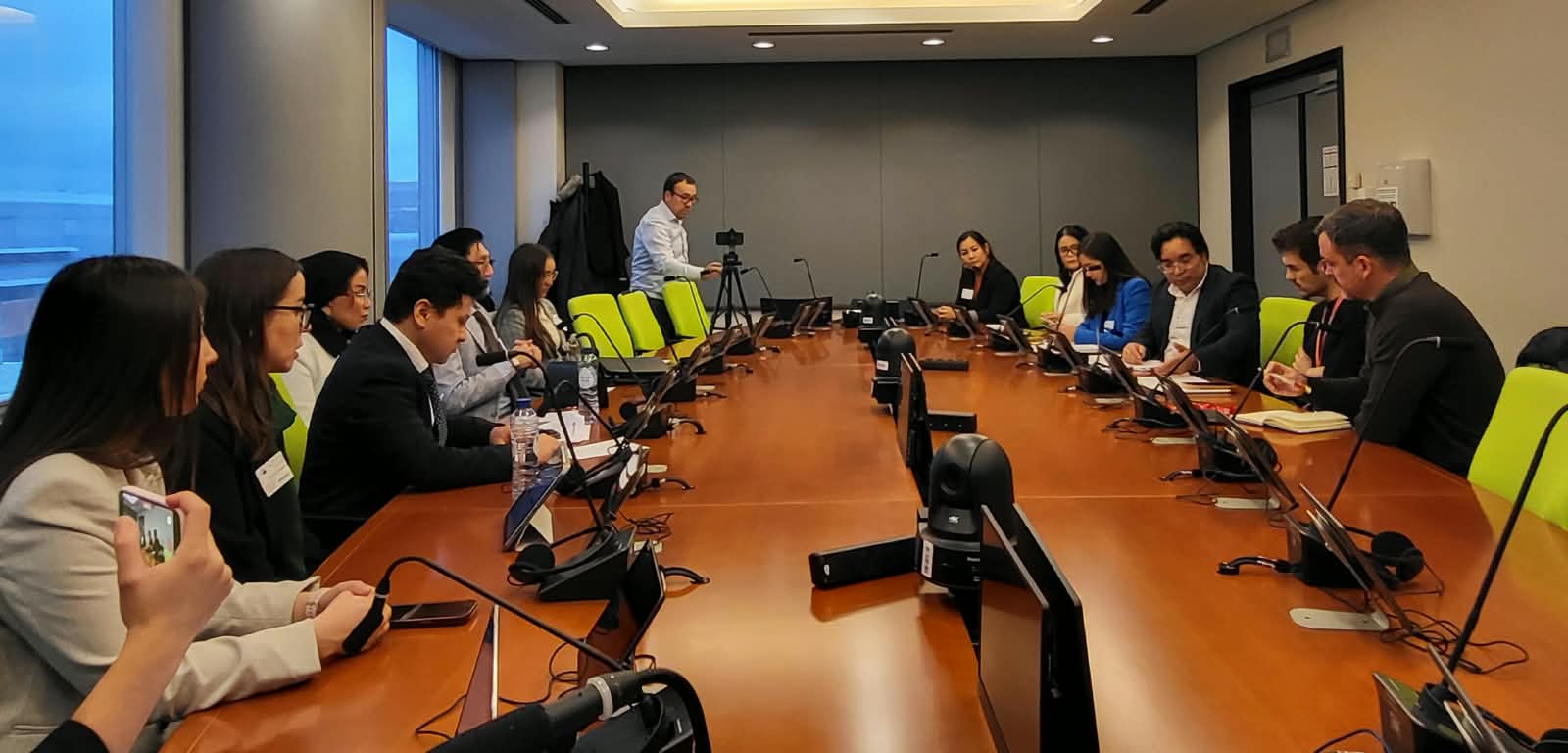
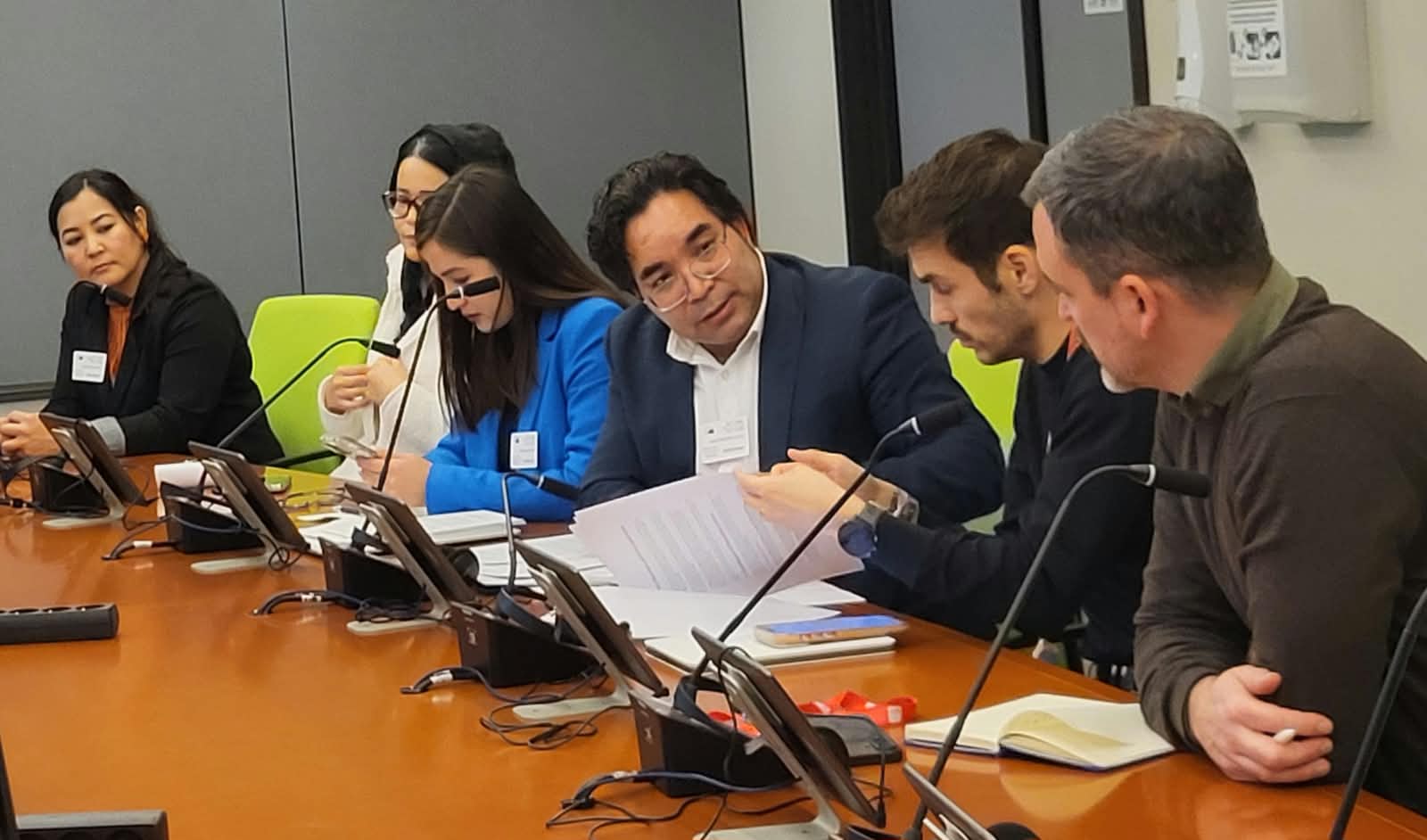
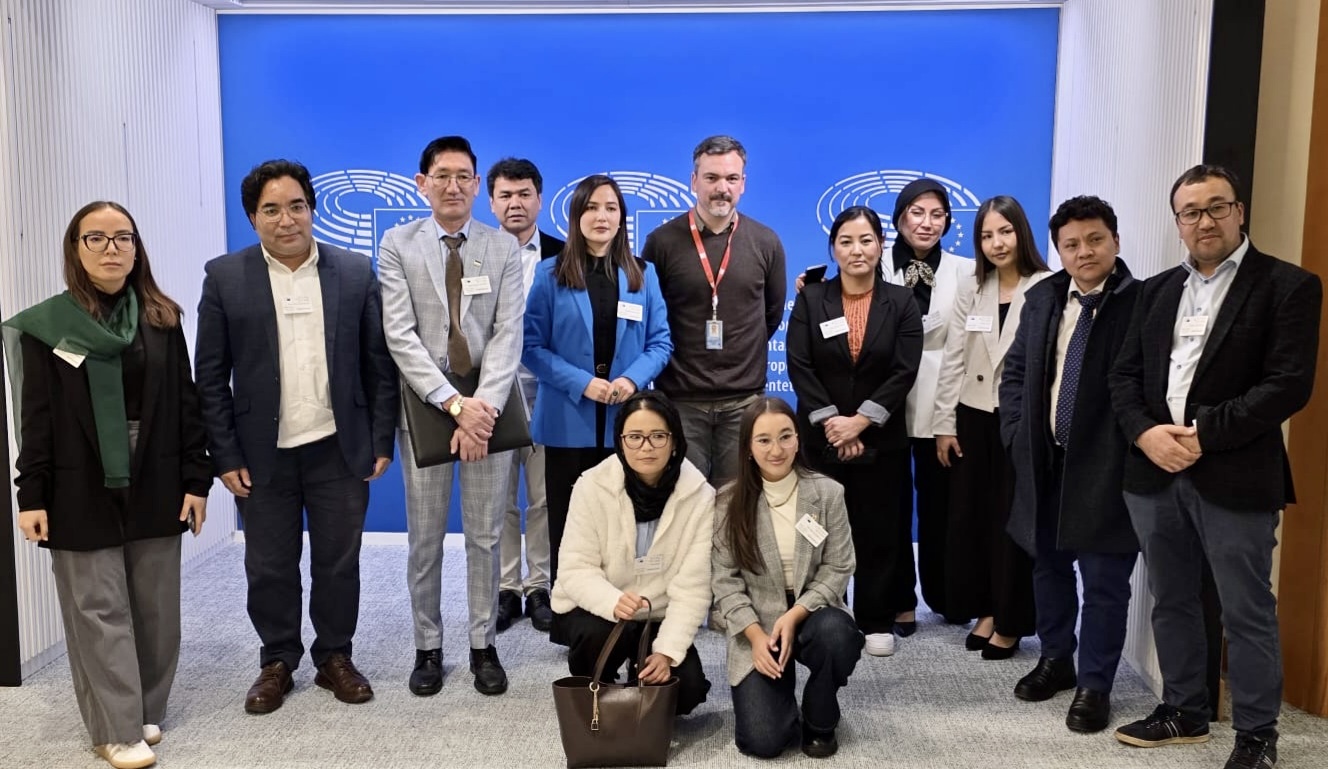
A 13-member delegation comprising representatives of Hazara civil society, human rights activists and several students from the Autonomous University of Barcelona (UAB) held a meeting on 20 November 2026 at the office of Javier López, Vice-President of the European Parliament, with several members of his staff and colleagues. The initiative was organised by the European-Global Civil Society Organization (EGCSO) and coordinated by Bashir Eskandari, Coordinator of the Working Group for Recognition of the Hazara Genocide.
The meeting formed part of ongoing efforts to advance the demands of the Hazara community and bring the institutional advocacy process from the Parliament of Catalonia to the European Parliament.
During the meeting, the delegation presented documentation and reports concerning the Hazara genocide, targeted killings, ethnic and religious persecution, forced displacement, and the seizure of Hazara land and property. The delegation called for political and legal support from the European Union and effective action to end these human rights violations.
From the Parliament of Catalonia to the European Parliament
This initiative has been pursued since 2021 by the European-Global Civil Society Organization (EGCSO) and the Working Group for Recognition of the Hazara Genocide. Previous efforts led to the issue being raised within democratic institutions in Catalonia and to the adoption of an institutional declaration of support by the Parliament of Catalonia.
The Brussels meeting marked a continuation of this process and a new step towards transferring the advocacy effort from the Parliament of Catalonia to the European Parliament. The objective is to secure political and institutional support at the European Union level and strengthen mechanisms for accountability for human rights violations.
Protection of Afghan Asylum Seekers and Opposition to Forced Returns
Another key issue raised during the meeting was the protection of Afghan asylum seekers, particularly Hazaras, and the prevention of their forced return to Afghanistan.
The delegation also expressed its opposition to any form of political legitimisation of the Taliban and emphasised the need to uphold the principle of non-refoulement, which prohibits returning individuals to countries where they face a real risk of torture or inhuman treatment. This principle is protected under Article 3 of the European Convention on Human Rights.
During the meeting, solidarity with the Hazara community was expressed. The participants also indicated their willingness to pursue further contacts with human rights activists and organisations and to explore ways of bringing these demands to the attention of other political stakeholders in Brussels.
At the conclusion of the meeting, the delegation submitted the documentation dossier, the official letter outlining the demands of the Hazara community, and the institutional declaration adopted by the Parliament of Catalonia.
The Need for National Recognition of the Hazara Genocide
Bashir Eskandari, Coordinator of the Working Group for Recognition of the Hazara Genocide, emphasised that recognition of the Hazara genocide must become a national demand within Afghanistan, rather than remaining limited to international institutions. He stated:
“Recognition of the Hazara genocide must not be confined to international institutions; it must become a national demand in Afghanistan. Acknowledging the truth, achieving transitional justice, ensuring accountability for those who committed and ordered these crimes, and guaranteeing non-recurrence must be fundamental commitments of future governments in Afghanistan. No government or group should be exempt from accountability for genocide or crimes against humanity.”
Key Demands
- Recognition of the Hazara genocide and support for independent fact-finding and investigations.
- Immediate action to stop forced displacement, ethnic persecution, and the seizure of Hazara land and property, and to restore the property rights of those affected.
- Protection of Afghan asylum seekers, particularly Hazaras, and opposition to the political legitimisation of the Taliban.
- Support for international mechanisms to achieve justice, ensure accountability, and guarantee non-recurrence of these crimes.
Working Group for Recognition of the Hazara Genocide
Phone: +34 698 623 220
Email: info@egcso.eu
Website: www.egcso.eu